Electric forklifts are now a central part of modern material handling, offering cleaner, quieter, and more efficient performance than traditional engine-powered trucks. But one of the most common questions operators and warehouse managers ask is: how long do electric forklift batteries last?
The answer isn’t always straightforward. Battery lifespan depends on the type of battery, how it’s used, and how well it’s maintained.
In this guide, we break down what you can expect from your electric forklift battery, what affects its lifespan, and how to get the most from your investment.
How Long Does an Electric Forklift Battery Last? (Quick Answer)
On average:
- Lead-acid batteries last around 1,000–1,500 charge cycles, typically three to five years.
- Lithium-ion batteries can last 2,000–4,000+ cycles, often five to ten years.
However, these are general estimates. The actual lifespan of an electric forklift battery depends heavily on how it is used in day-to-day operations.
Related: Forklift Battery Types: Which is the Most Economical?
What Affects Electric Forklift Battery Life?
Several factors can significantly impact how long your battery lasts. Understanding these can help you extend battery life and reduce long-term costs.
1. Charging Habits
Charging behaviour is one of the biggest influences on battery life.
- Overcharging can damage lead-acid batteries over time
- Deep discharging (running the battery completely flat) reduces lifespan
- Opportunity charging (frequent short charges) is beneficial for lithium-ion batteries but not always ideal for lead-acid
Operators should follow manufacturer guidelines to ensure proper charging cycles are maintained.
2. Type of Battery
The type of battery used in your electric forklift makes a difference.
Lead-acid batteries:
- Lower upfront cost
- Require regular maintenance (i.e., watering, cleaning)
- More sensitive to charging habits
Lithium-ion batteries:
- Higher upfront cost
- Minimal maintenance
- Longer lifespan and more flexible charging
For many operations, lithium-ion technology offers better long-term total cost of ownership (TCO) due to reduced downtime and longer service life.
3. Operating Environment
Battery performance can be affected by temperature and working conditions.
- Extreme heat accelerates battery degradation
- Cold environments can temporarily reduce performance
- Dust, moisture, and vibration can also impact long-term reliability
Warehouses with controlled indoor environments tend to see longer battery life compared to outdoor or harsh industrial settings.
4. Workload and Usage
How hard your forklift works matters.
- Continuous, multi-shift operations place more strain on batteries
- Heavy loads and frequent lifting increase energy demand
- Long travel distances drain batteries more quickly
High-intensity operations may require more frequent charging or higher-capacity battery solutions.
5. Maintenance Practices
For lead-acid batteries especially, maintenance plays a critical role.
Poor maintenance can lead to:
- Reduced capacity
- Shorter lifespan
- Increased risk of failure
Regular checks, proper watering, and keeping terminals clean can significantly extend battery life.
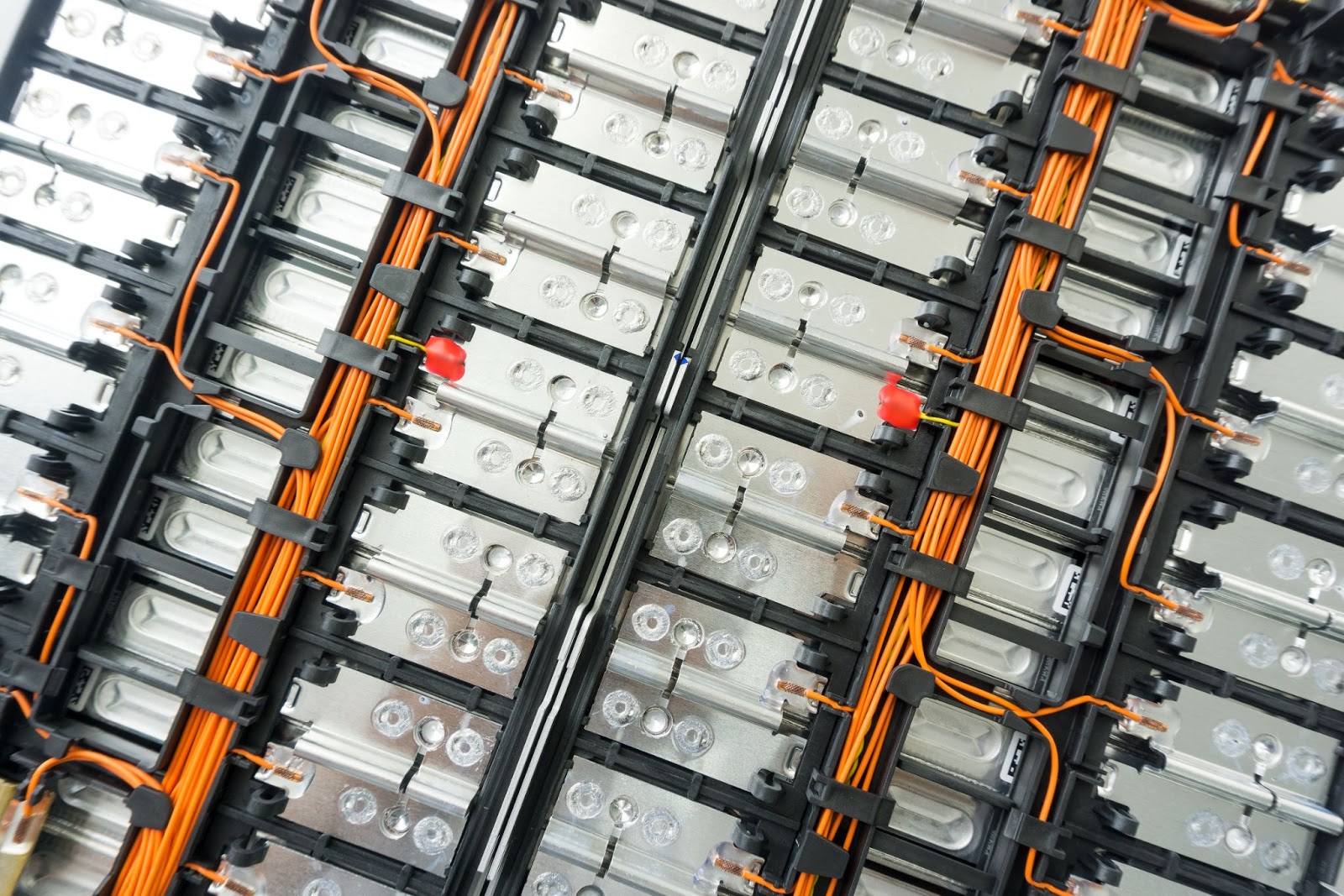
How to Extend Electric Forklift Battery Life
There are several best practices operators should follow if they want to maximise their battery’s lifespan:
Avoid Deep Discharging
Try not to let the battery drop below recommended levels. Frequent deep discharges shorten battery life, particularly for lead-acid batteries.
Charge Correctly and Consistently
Follow recommended charging cycles and use the correct charger for your battery type. Avoid unnecessary overcharging.
Use the Right Battery for Your Operation
If your operation runs multiple shifts or demands high uptime, investing in lithium-ion batteries may reduce downtime and extend overall lifespan.
Keep Batteries Clean and Maintained
For lead-acid batteries, regular maintenance is essential. Keep terminals clean, check water levels, and inspect for signs of wear.
Monitor Usage and Performance
Telematics and fleet management systems can help track battery usage, identify inefficiencies, and prevent issues before they become costly problems.
Related: Five Reasons to Switch from ICE to Electric Forklift Trucks
When Should You Replace an Electric Forklift Battery?
Even with proper care, all batteries eventually need replacing.
Common signs include:
- Reduced runtime between charges
- Longer charging times
- Noticeable drop in performance
- Increased maintenance issues
If your forklift is no longer completing a full shift on a single charge, it may be time to consider a replacement.
Battery Life and Total Cost of Ownership (TCO)
Battery lifespan plays a major role in the total cost of ownership of an electric forklift.
While lithium-ion batteries have a higher upfront cost, they often:
- Last longer
- Require less maintenance
- Reduce downtime
This can result in lower overall costs over the life of the truck, especially in high-usage environments.
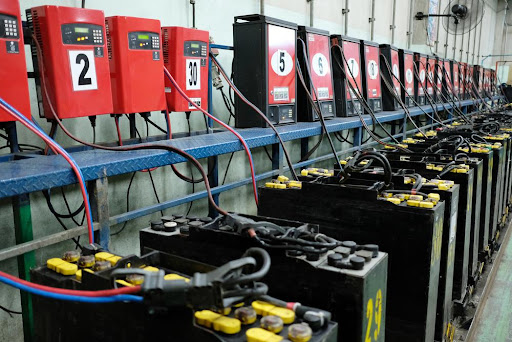
Lead-acid batteries may still be suitable for lower-intensity operations where cost sensitivity is higher and usage is more predictable.
Are Electric Forklift Batteries Worth It?
For most modern warehouses, the answer is yes.
Electric forklift batteries—especially lithium-ion—offer:
- Lower emissions
- Reduced noise
- Improved efficiency
- Lower long-term maintenance requirements
When managed correctly, they provide a reliable and cost-effective solution for a wide range of material handling applications.
Final Thoughts: Getting the Most from Your Battery
Electric forklift battery life depends on battery type, usage, and maintenance. With the right approach, operators can expect years of reliable performance.
By understanding how battery life works and following best practices, operators can:
- Extend battery lifespan
- Reduce downtime
- Improve overall warehouse efficiency
To further improve performance and lifespan, TCM, together with Logisnext, offer Li-ion batteries specifically engineered to outperform lead acid alternatives in high energy environments. Read our brochure to learn more.
For more information about electric forklift batteries, including preparing a solid strategy for upcoming electrification regulations and infrastructure changes, download our free Electrification Readiness Guide and Checklist.
.png?width=50)

