As more warehouses and logistics operations transition to electric material handling equipment, understanding forklift battery life has become increasingly important.
While electric forklifts offer lower emissions, quieter operation, and reduced maintenance requirements compared to engine-powered alternatives, their performance ultimately depends on the health and longevity of the battery.
A well-maintained battery can provide years of reliable service and help reduce operating costs. Conversely, poor charging practices and inadequate maintenance can shorten battery lifespan, increase downtime, and raise the total cost of ownership (TCO).
In this post, we'll explore how long electric forklift batteries typically last, the factors that affect battery performance, and practical steps operators can take to maximise battery life while reducing costs.
How Long Do Electric Forklift Batteries Last?
The lifespan of an electric forklift battery depends on several factors, including battery type, usage patterns, charging habits, and operating conditions.
Traditionally, many electric forklifts have used lead-acid batteries, which typically provide between 1,000 and 1,500 charge cycles when properly maintained.
More recently, lithium-ion batteries have become increasingly popular due to their longer lifespan, lower maintenance requirements, and greater charging flexibility. Depending on the application, lithium-ion batteries can often deliver more than 3,000 charge cycles.
However, regardless of battery type, operators play a critical role in determining how long a battery lasts.
How to Extend Forklift Battery Life
Extending forklift battery life begins with good operating habits:
Avoid Deep Discharging
One of the most common causes of premature battery wear is allowing batteries to discharge too deeply before recharging. Repeatedly running a battery to extremely low charge levels places additional stress on battery cells and can reduce overall lifespan.
Where possible, operators should recharge batteries before they become critically depleted and follow manufacturer recommendations regarding minimum charge levels.
Prevent Overcharging
While modern charging systems are highly advanced, excessive charging can still affect battery performance over time. Batteries should be charged according to the manufacturer's guidelines using approved charging equipment.
Automatic charging systems and battery management technologies can help prevent overcharging and ensure optimal charging cycles.
Manage Operating Conditions
Extreme temperatures can significantly affect forklift battery performance.
Very high temperatures can accelerate battery degradation, while extremely cold environments can temporarily reduce available capacity. Where possible, batteries should be charged and stored within recommended temperature ranges to maximise longevity.
Train Operators
Proper operator training can have a direct impact on battery life. Understanding charging procedures, battery handling requirements, and daily inspection routines helps prevent avoidable damage and promotes consistent performance.
Related: How to Embrace the Future with Lithium-Ion Forklift Batteries
Opportunity Charging vs Full Charging Cycles
One of the most frequently discussed topics regarding forklift battery life is charging strategy.
What is Opportunity Charging?
Opportunity charging involves plugging in the forklift during short breaks, shift changes, or downtime periods throughout the day.
This approach is particularly well suited to lithium-ion batteries, which are designed to accept frequent partial charges without negatively affecting battery health.
Benefits of opportunity charging include:
- Increased truck availability
- Reduced need for battery swaps
- Improved operational flexibility
- Better utilisation of charging infrastructure
For multi-shift operations, opportunity charging can help maintain productivity without requiring spare batteries.
What Are Full Charging Cycles?
A full charging cycle involves allowing the battery to discharge to a predetermined level before recharging it completely.
This approach has traditionally been used with lead-acid batteries, which generally perform best when charged according to structured charging schedules.
While full charging cycles remain important for many lead-acid battery applications, operators should avoid excessive deep discharges, which can accelerate battery wear.
Which Charging Strategy Is Best?
The answer depends largely on battery technology.
For lithium-ion batteries, opportunity charging often provides the greatest operational flexibility while supporting long battery life.
For lead-acid batteries, following the manufacturer's recommended charging schedule remains the most effective approach.
Understanding the charging requirements of your specific battery type is essential to achieving maximum performance and lifespan.
Tips for Maintaining Forklift Batteries
Regular maintenance is one of the most effective ways to maximise forklift battery life.
Keep Batteries Clean
Dust, dirt, and moisture can affect battery performance and create safety risks. Regular cleaning helps maintain reliable electrical connections and allows potential issues to be identified early.
Inspect Connections
Loose or damaged connections can reduce efficiency and increase the risk of unexpected downtime.
Battery cables, connectors, and terminals should be inspected routinely for signs of wear, corrosion, or damage.
Monitor Battery Performance
Modern telematics and battery management systems can provide valuable insights into charging patterns, energy consumption, and battery health.
Monitoring performance data allows warehouse managers to identify issues before they become costly failures.
Follow Manufacturer Guidelines
Different battery technologies have different maintenance requirements. Following manufacturer recommendations for charging, inspection, and servicing helps ensure optimal performance throughout the battery's lifecycle.
The Impact of Battery Life on Total Cost of Ownership
When evaluating electric forklifts, many businesses focus primarily on purchase price. However, battery performance has a significant impact on overall operating costs.
A battery that lasts longer and performs more efficiently can deliver substantial savings through:
- Reduced replacement costs
- Lower maintenance expenses
- Increased uptime
- Improved productivity
- Lower energy consumption
For example, while lithium-ion batteries typically involve a higher initial investment, their longer lifespan and lower maintenance requirements can often result in lower TCOs over time.
Conversely, poor battery management can lead to premature replacements, increased downtime, and higher operating expenses.
This is why battery performance should be considered an important part of any forklift fleet strategy.
Planning for Long-Term Success
As warehouse operations continue to evolve, battery technology will play an increasingly important role in material handling performance.
Businesses that understand how to maximise forklift battery life can benefit from greater efficiency, improved reliability, and lower operating costs.
Whether you're operating a small fleet or managing a large distribution centre, investing time in proper charging practices, maintenance procedures, and operator training can deliver significant long-term benefits.
TCM, together with Logisnext, now offer powerful Li-ion batteries engineered to outperform lead-acid alternatives. Learn more about them here.
Ready to Optimise Your Material Handling Operation?
Battery performance is just one piece of the puzzle when building an efficient, cost-effective forklift fleet.
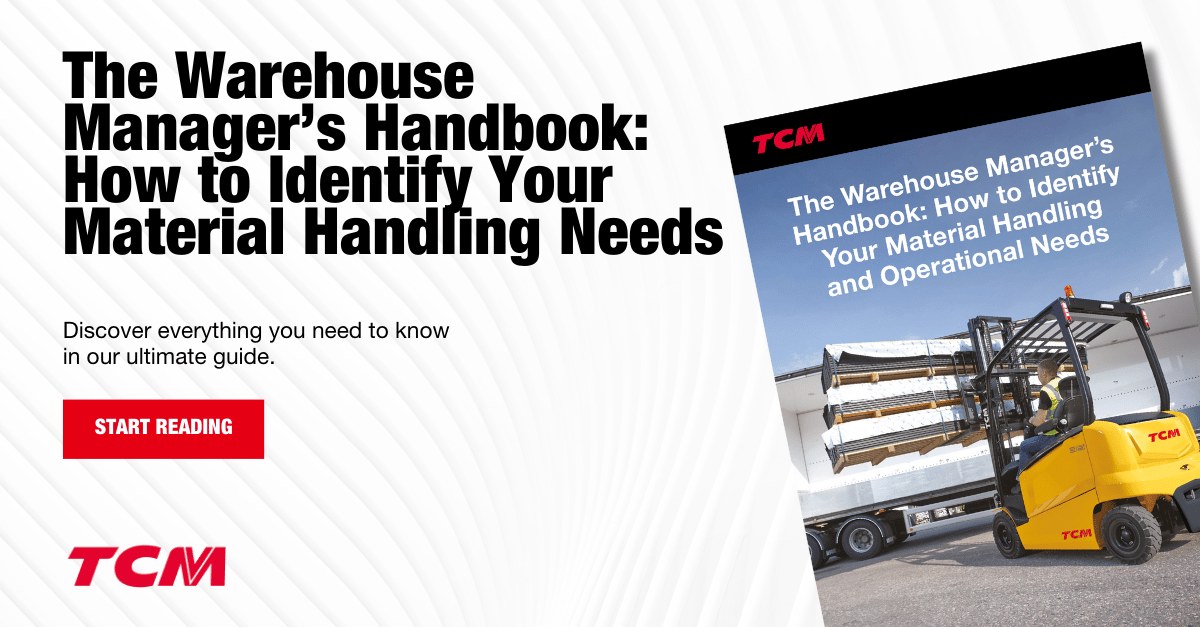
To help warehouse managers identify the right equipment, understand ownership costs, and plan for future growth, we've created The Warehouse Manager's Handbook. This practical guide covers everything from selecting the right trucks to evaluating operational requirements and improving fleet performance.
.png?width=50)

.jpg?width=50)